March 25, 2026 · Updated June 2, 2026
HOA window treatment rules in South Orange County: what's actually allowed
By Dave Harris — Co-founder, Golden West Shutters
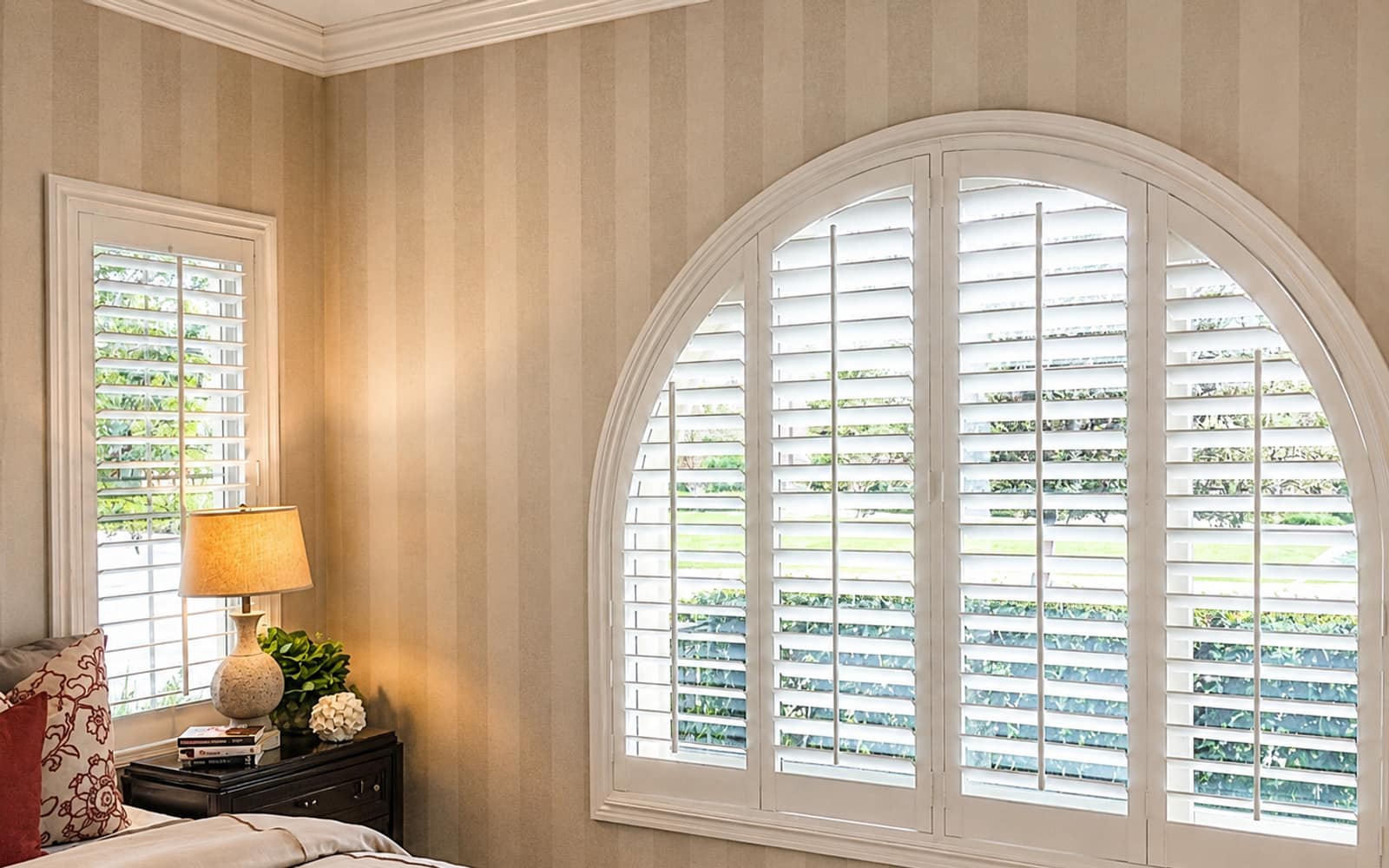
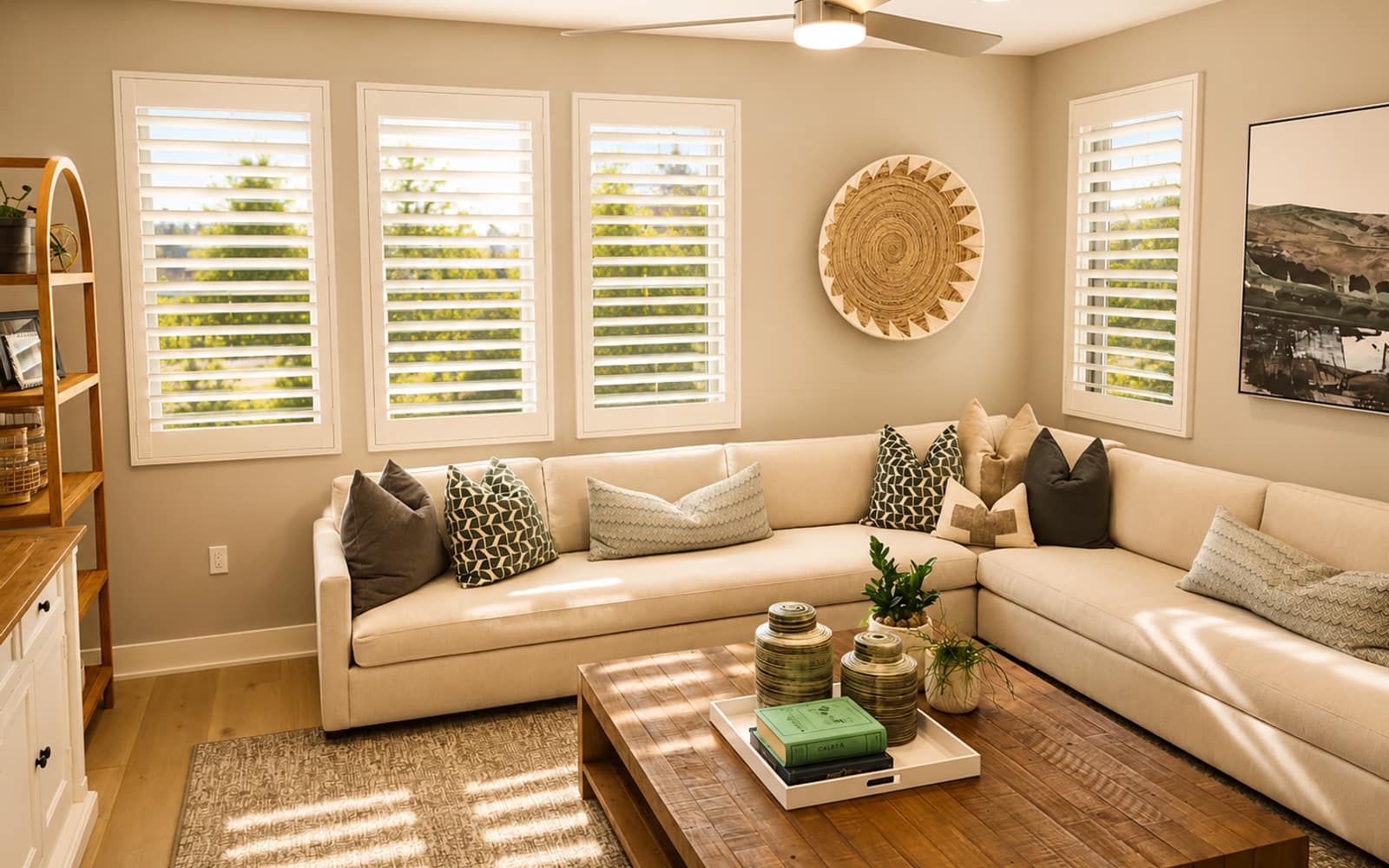
Plantation shutters are one of the easiest window treatments to get approved in a South Orange County HOA. Most associations only care about how your windows look from the street, and a white interior shutter reads as clean and uniform from the curb. That is exactly what architectural standards want.
Still, the rules vary from one association to the next. The safest move is to check your CC&Rs before you order, not after the shutters are installed. That check takes about half an hour and removes the one risk worth removing.
We have built shutters for 60,000 Orange County homes since 1987, many of them in HOA communities across Irvine, Ladera Ranch, Mission Viejo, and Rancho Santa Margarita. Here is what those associations actually regulate, and why interior shutters almost always pass.
Why South Orange County has so many HOAs
Most homes in South Orange County sit inside a planned community with an HOA. Cities like Irvine, Lake Forest, Mission Viejo, Ladera Ranch, Foothill Ranch, Aliso Viejo, and Rancho Santa Margarita were built around shared landscaping, common areas, and architectural standards from the start. Those standards live in the CC&Rs, the covenants, conditions, and restrictions that govern how each home looks from the outside. The goal is visual consistency, which protects property values across the neighborhood. That same goal is why most HOAs favor shutters. A row of windows with matching white louvers looks intentional from the street. Mismatched blinds in various states of repair do not.
What HOAs typically regulate about window treatments
HOA rules focus on what shows from the outside, not what you do inside your home. Color is the rule cited most often, and the one most likely to affect your choice.
- Color visible from the street. Many associations require window coverings to appear white, off-white, or neutral from the exterior. A dark or brightly colored shade facing the street can draw a notice. A white shutter almost never does.
- Reflective or metallic materials. Some HOAs prohibit foil, mirror film, or highly reflective coverings because of how they look from neighboring homes. This rarely affects shutters.
- Temporary coverings. CC&Rs often ban makeshift coverings like sheets, cardboard, or foil in visible windows. A properly installed shutter is the opposite of that.
- Exterior-facing changes. Hardware that shows on the outside of the home can require architectural review. Interior shutters sit inside the window frame and change nothing on the exterior.
Do plantation shutters pass HOA review
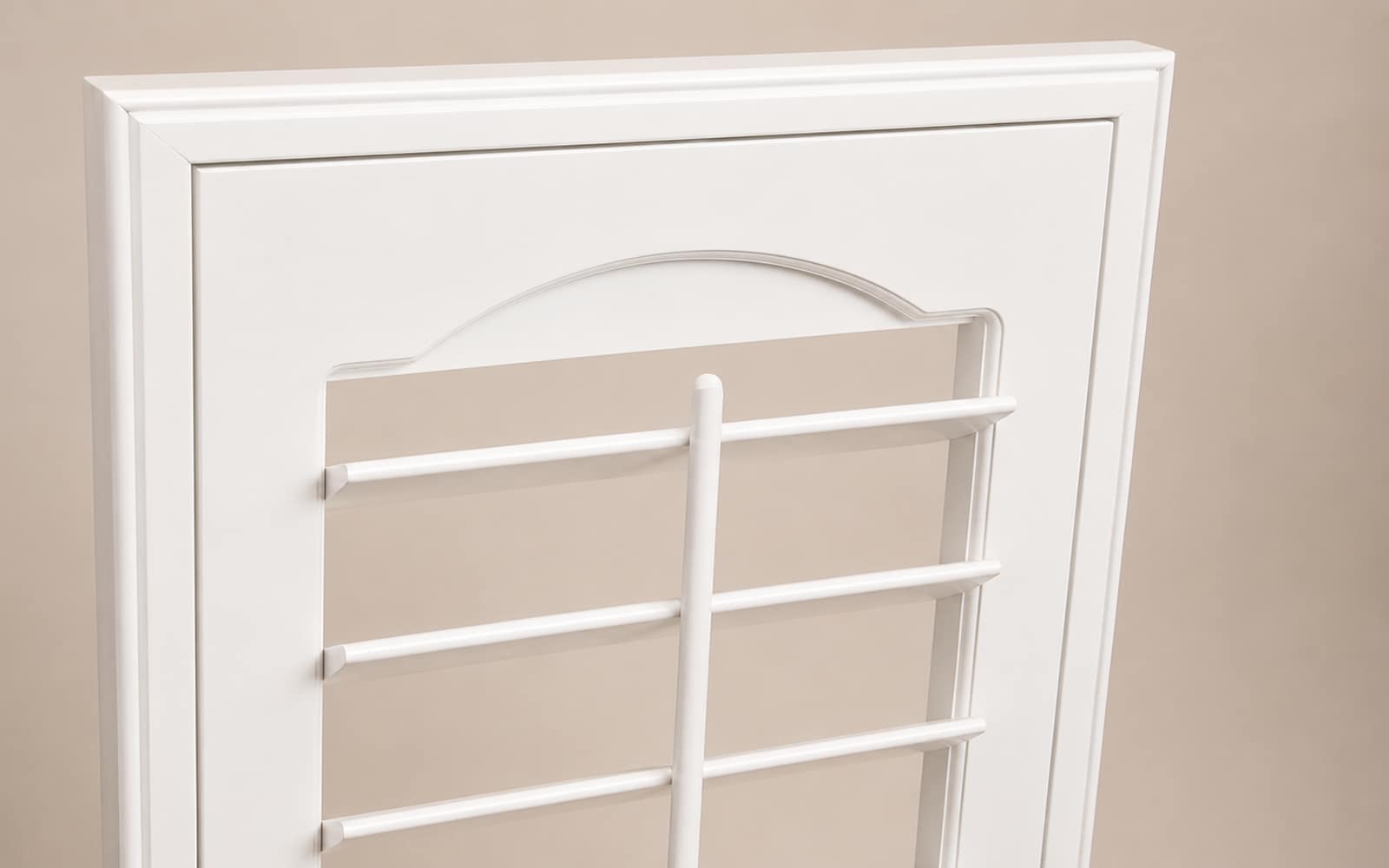
Yes, in almost every case. Interior plantation shutters meet the standards HOAs care about, and they do it by design. The exterior-facing side is almost always white or off-white to match typical trim, so the view from the street stays neutral. They look uniform from window to window, which is the consistency architectural standards exist to create. And they sit entirely inside the frame, so nothing about the outside of your home changes. Many HOA guidelines even name shutters as an example of an appropriate, permanent window treatment. None of this means you should skip the review step. It means you are starting from a strong position if you walk in with shutters in mind.
How to check your HOA rules before you order
Start with your CC&Rs. If you do not have a copy, your HOA management company is required to provide one, and many communities in Irvine, Lake Forest, and Ladera Ranch post the documents on their resident portal. Then work through the rest in order.
- Find the section on window coverings or architectural standards. It may be labeled window treatments, exterior appearance, or architectural guidelines. The relevant text is usually a sentence or two about visible color, prohibited materials, or approval.
- If the language is unclear, email your HOA manager. Ask whether interior plantation shutters need architectural review, and what color rules apply to coverings visible from the street. Get the answer in writing.
- If approval is required, submit before ordering. Review for interior shutters is usually quick, often cleared in a week or two with a short description and a color sample.
- Ask us for documentation. We have helped homeowners through HOA review across South Orange County and can supply what the committee asks for.
The shutter colors that pass in nearly every HOA
If your HOA requires window coverings to read white or neutral from outside, a few finishes pass review almost everywhere in South Orange County. Bright white is the safest. It matches the trim on most homes in planned OC communities and is the color guidelines tend to name as acceptable. Off-white and antique white also pass in nearly every case, and they feel a little warmer inside while still reading neutral from the street. Soft grays and warm neutrals matched to trim usually pass too, though anything outside the white-to-cream range is worth confirming first. We mill and finish every shutter at our Lake Forest factory, so we can match a finish to your trim and, in some configurations, finish the exterior-facing side differently from the interior. Ask about that before you order if you want stained wood inside.
What happens if you skip the check
Usually nothing. A white or off-white interior shutter is not the kind of change that draws HOA attention. But if your association has a formal review requirement and you install without submitting, you may be asked to seek approval after the fact. That is almost always granted, and it adds friction you did not need. In the rarer case of a non-compliant color or visible exterior hardware, an HOA can issue a violation notice and require a correction. That is an expensive outcome for a thirty-minute step. Check your CC&Rs, confirm by email if anything is ambiguous, and order with a clear answer in hand.
Talk it through with the people who make the shutters
Golden West is the only local plantation shutter manufacturer in Orange County. Dave and John run the factory at 20561 Pascal Way in Lake Forest, where we build in basswood, moisture-resistant poly, and our Polylux hybrid for large or high-moisture windows. Louvers come in 2.5 inch and 3.5 inch. Lead time runs 3 to 5 weeks, and every shutter carries a lifetime warranty on materials and workmanship. If you want to sort out your HOA situation before a measurement, call us at 949-951-0600 or book a free estimate. Knowing the rules upfront gets everyone to the right answer faster.